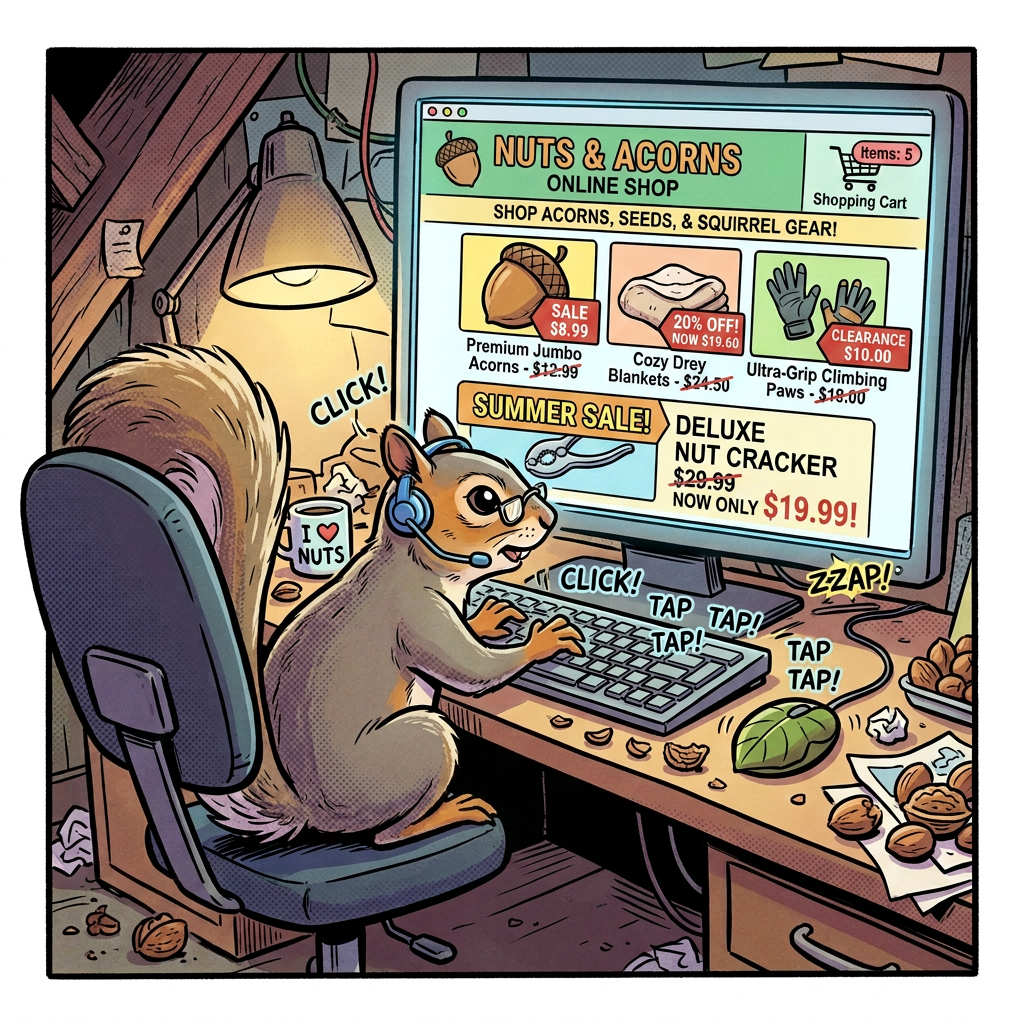
Hello, fellow squirrels! Today, I’m going to crack open the nutshell on Fake Website Scams and dig into the world of Fake Online Store Scams.
What are Fake Online Store Scams?
These types of fake webpages copy an existing online store page like Amazon. The scammers clone the website so it looks like the real one, and they also use realistic product pages, checkout flows, and confirmation emails to appear trustworthy. With the use of AI, these pages come out looking extremely close to the real one they are cloning. The goal of these sites is to get you to give them your credit card or banking infomation.
Key Things to Look Out For!
There are 4 key things to look out for if you suspect that you are on a fake website.
- Small inconsistencies on the page like different or altered product names, missing store policies, or incomplete pages. These scammers use AI to clone these pages, making it hard to see at a quick glance that they are fake.
- 20%-40% discounts on every item. Real stores will rarely ever have every product discounted at the same time.
- If the checkout page switches you to a different domain (aka a different site) or is using an unusual processor/payment method.
- If they only have high-demand items that are always in stock and state they have a lot in stock.
When shopping online, it’s important to check whether you are on the real website or a fake one.
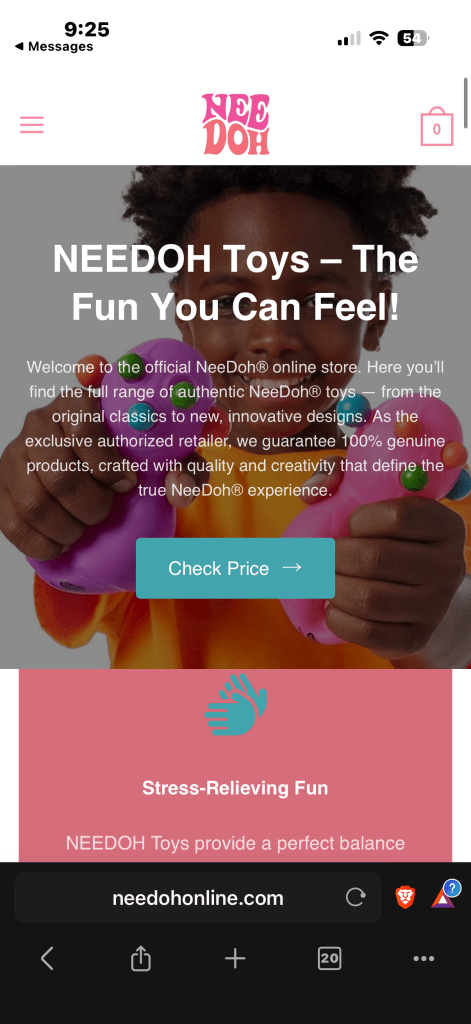
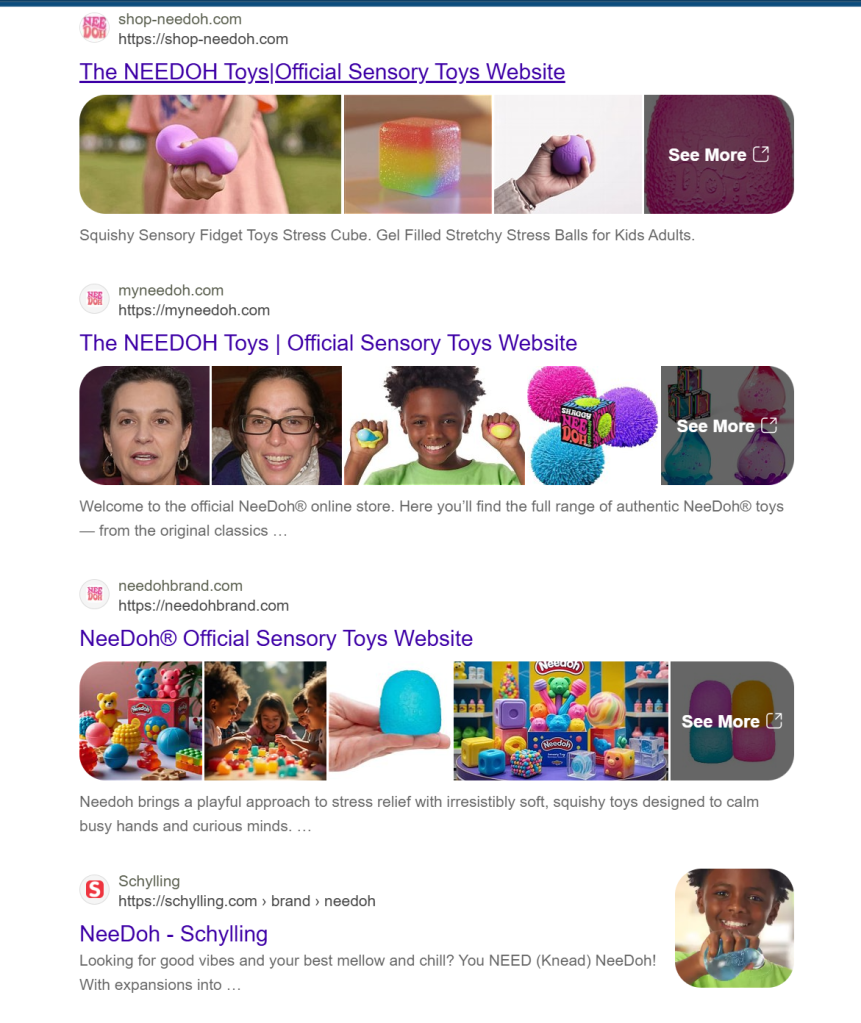
Needoh has many fake websites like the one shown in the image, but the biggest difference is that their official webpage is Schylling.
I had to scroll down to find the real webpage.
That’s all for today’s cyber-stuffed nutshell! So, remember in this digital forest, we the squirrels need to stay alert and protect our stash, while chipmunks try to sneak in and swipe it when we are not looking.
Here some more information on Fake Wabpages
Understanding Fake Webpages: A Guide for Squirrels – Code Squirrel, Cyber Security in a Nutshell


Leave a Reply