

Hello, fellow squirrels. Today, I will be opening the nutshell about how AI is changing how scams work, focusing on email and text scams. In this new forest of trees, artificial intelligence has made the scams the chipmunks use more believable and more personalized. It also makes it easier for them to create scams.
Why Does AI in Scams Matter
AI in scams matters because it makes it easier for someone to become a scammer. Before AI, scammers often needed advanced technical skills to create convincing scams. AI has lowered the skill level needed to create scams. AI also makes scams look more believable, removing one of the main ways to spot a scam.
How AI Affects Email Scams?
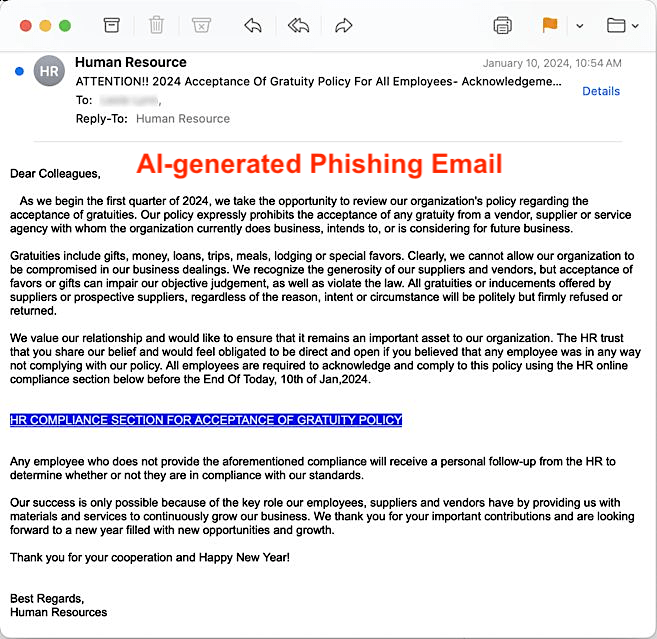
With the use of AI, email scams can be sent with proper spelling, grammar, and formatting. With those mistakes removed, it becomes harder to determine whether an email is real or fake. AI also helps make these scams more personalized, making it more likely that people will click on them. The websites used in these scams can also be made more realistic with the help of AI. Lastly, AI allows large numbers of scam emails to be created and sent, helping scammers reach more people than they could without AI.
How AI Affects Text Message Scams?
With the use of AI, text messages sent by scammers can sound more conversational and natural, making them appear to be legitimate communications from a business or organization. Just like email scams, they often contain fewer spelling and grammar mistakes, making them harder to identify as fake. AI also makes it easier for scammers to create messages about things people commonly receive, such as package deliveries, banking alerts, and subscription renewals. These messages often include a sense of urgency.
Ways To Stay Safe
- Double-check any unexpected requests through a different and trusted channel, such as an email address you already have on file or a team chat.
- Be skeptical of urgent messages demanding immediate action. There are very few things that truly require action within five minutes.
- Check email addresses, website URLs, and phone numbers carefully.
- Avoid clicking links in unexpected emails or text messages.
- Use multifactor authentication whenever possible.
That’s all for today’s cyber-stuffed nutshell! So, remember in this digital forest, we the squirrels need to stay alert and protect our stash, while chipmunks try to sneak in and swipe it when we are not looking.
Here’s some more information


Leave a Reply