Hello, fellow squirrels. Today, I will be opening the nutshell about Phone Scams!
I will be showing different messages that you can get and why I believe they are scams.
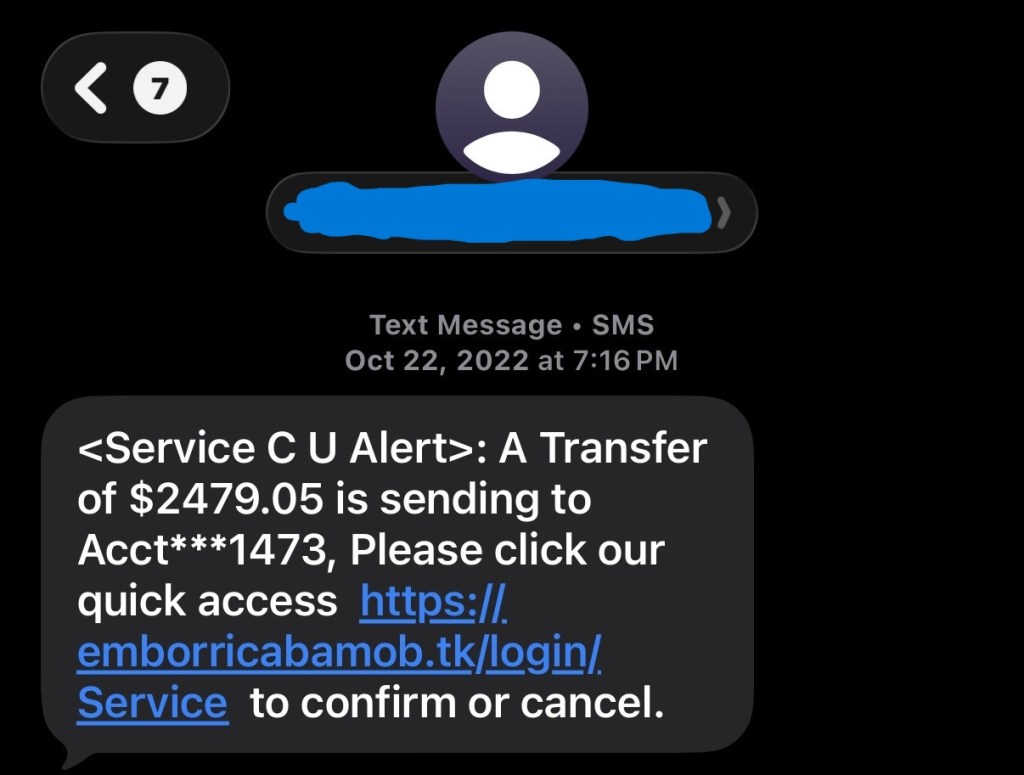
This first image has four red flags that I can see. The first red flag is “Service C U Alert.” There is no “C U Alert” that exists, and with a little digging, I found out that this is commonly used by scammers. The second red flag is the amount of money it claims to be transferring. This is a red flag because at the time, I did not have that much money in one account #CollegeSquirrel. The third red flag is the link they sent; the “.tk” is the main giveaway to me when looking at this. The last red flag is the grammar. If it was coming from a real bank, they would have better grammar.
The second image has three red flags. The first red flag is the email instead of a number. The second red flag is the fact that a mailing company sent me a link that does not, one, match the company and, two, is not even hyperlinked. The last red flag is that I never signed up to get messages from USPS.
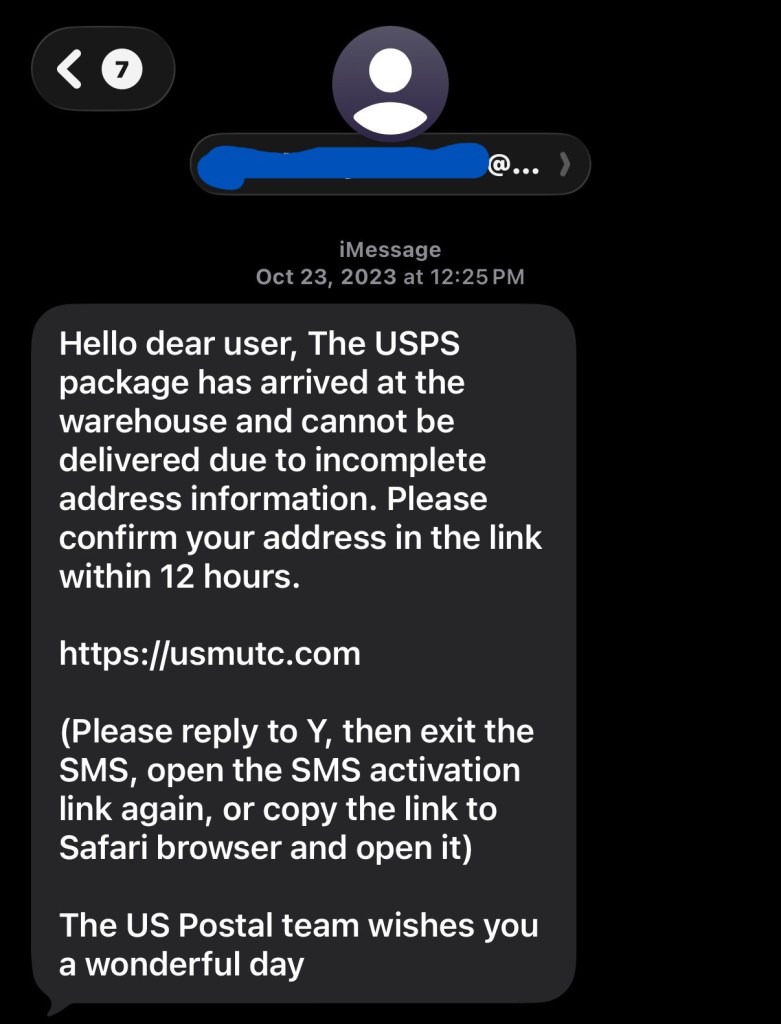
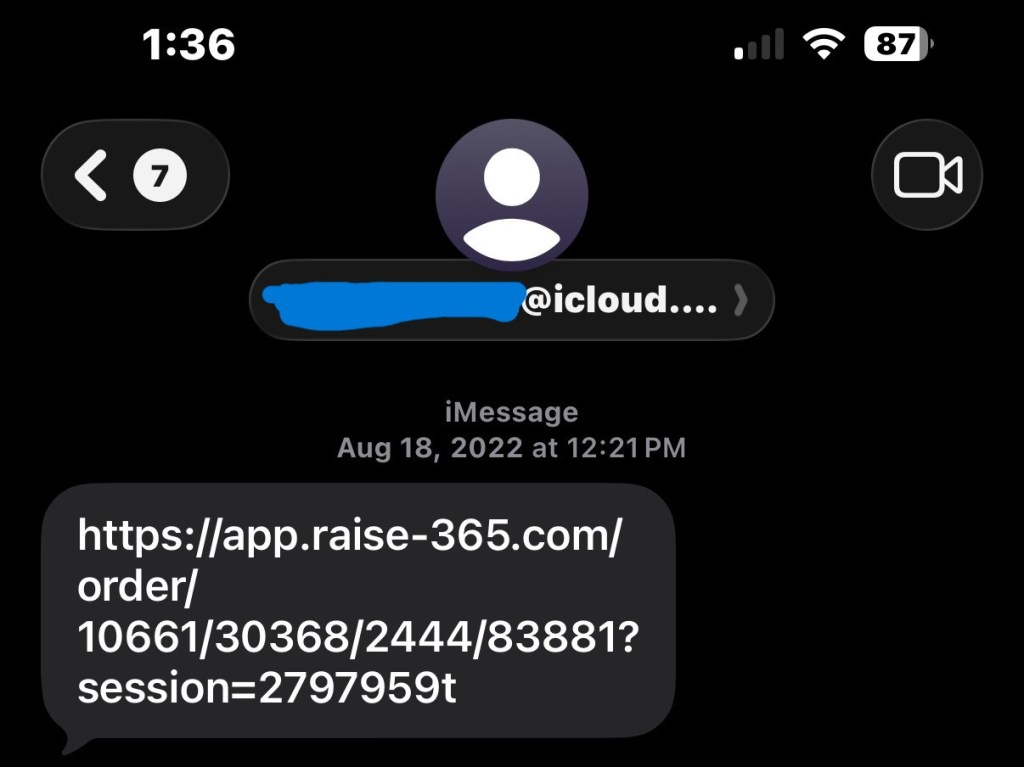
This image two red flags that I see. One is the emails instead of a number, and two, a web address with no context.
That’s all for today’s cyber-stuffed nutshell! So, remember in this digital forest, we the squirrels need to stay alert and protect our stash, while chipmunks try to sneak in and swipe it when we are not looking.
 Code Squirrel, Cyber Security in a Nutshell
Leave a comment